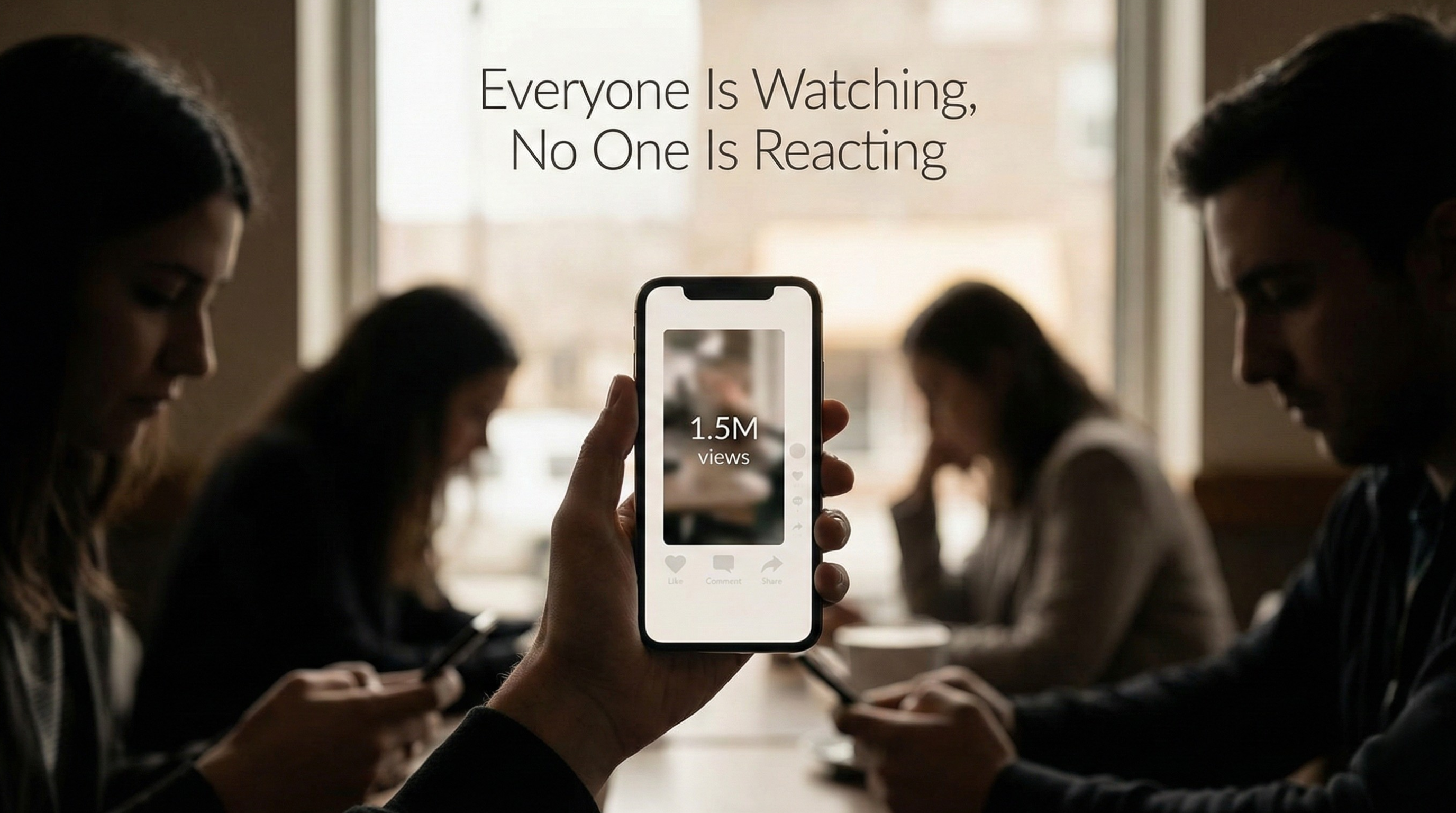
Everyone Is Watching, No One Is Reacting: The 2026 Social Media Dilemma
Something strange is happening on social media in 2026.
Creators are getting views — sometimes thousands of them — but the comments are empty. Likes feel weak. Shares are rare. Saves barely move. It feels like shouting into a crowded room where everyone hears you… but no one responds.
This isn’t just your account.
It’s not a shadowban.
And it’s definitely not because your content is “bad.”
This is a platform-wide shift — and it’s becoming one of the biggest growth problems creators face today.
Welcome to the 2026 Social Media Dilemma:
Everyone is watching, but no one is reacting.
The New Reality of Social Media in 2026
Social media used to feel alive.
People commented. Debated. Reacted. Shared opinions.
Now it feels… quiet.
Feeds are full, views are happening, but interaction has slowed to a crawl. Posts feel invisible even when the numbers say otherwise.
This change didn’t happen overnight. It’s the result of years of platform evolution, AI influence, and shifting user behavior.
And if you don’t understand what’s behind it, your reach will slowly disappear — even if your content improves.
Why People Watch but Don’t React Anymore
1. Scrolling Has Become Passive
People don’t “use” social media the way they used to. They consume it.
In 2026, most users scroll while:
- commuting
- multitasking
- watching TV
- feeling mentally overloaded
Watching requires no effort.
Reacting requires intention.
Most users simply don’t have the energy to interact unless something forces an emotional response.
2. Content Overload Killed Urgency
There is no shortage of content anymore. There is too much of it.
AI-generated posts, auto-edited clips, recycled trends, brand content — everything blends together. Even good content feels replaceable.
When nothing feels rare, nothing feels worth responding to.
3. AI Content Changed Human Behavior
AI didn’t just change how content is made — it changed how people consume it.
Perfect visuals, fast hooks, endless novelty… viewers are trained to watch quickly and move on. Emotional connection is thinner. Attention is fragmented.
People watch more — but feel less.
4. Most Content Doesn’t Invite Interaction
Many creators focus on being informative or entertaining, but forget one thing:
Why should the viewer respond?
No question.
No opinion.
No tension.
No invitation.
So the default response becomes silence.
Why Algorithms Punish Silent Views
This is where things get serious.
In 2026, algorithms care far less about views and far more about interaction quality.
A post with:
- high views
- low likes
- no comments
- no saves
signals one thing to the platform:
“People didn’t care enough to act.”
And when people don’t act, algorithms stop pushing.
Even worse — repeated low-interaction posts lower your account authority, meaning future posts are tested more aggressively and shown to fewer people.
This is how creators slowly lose reach without realizing why.
Why This Problem Is Worse Than Low Views
Low views are obvious.
The engagement dilemma is deceptive.
You think:
- “At least people are watching”
- “Maybe the next post will do better”
But behind the scenes, your account is losing trust.
High views with low interaction are often more damaging than low views, because they tell the algorithm your content attracts attention but fails to create value.
The Psychological Effect on Creators
This dilemma messes with creators mentally.
You start questioning:
- your ideas
- your skills
- your niche
- your consistency
You post more.
You edit harder.
You overthink.
But the issue isn’t effort — it’s strategy.
How Smart Creators Are Fixing This in 2026
Creators who are still growing in 2026 have stopped chasing views and started engineering interaction.
Here’s what they’re doing differently:
1. They Design Content for a Reaction, Not Just a Watch
Every post answers this question:
“What should the viewer feel compelled to do?”
React emotionally.
Disagree.
Relate.
Save.
Comment.
Share.
If the content doesn’t naturally trigger action, it won’t get it.
2. They Understand the Silence Effect
People hesitate to engage with “empty” posts.
If a post already has interaction, people feel more comfortable reacting. If it looks dead, they stay silent.
This is human psychology — not cheating.
That’s why many creators use small, early engagement signals to break the silence and make interaction feel normal.
3. They Use Early Momentum Strategically
The first moments after posting matter more than ever.
Creators now focus on:
- immediate activity
- fast responses
- early comments
- quick interaction loops
Platforms like BulkCheapService.com are used here as support tools — not to fake popularity, but to create initial momentum so real users are more likely to engage.
Engagement attracts engagement.
4. They Lean Into Emotion Over Perfection
Perfect content doesn’t spark conversation.
Honest content does.
Creators who share:
- frustration
- opinions
- struggles
- real experiences
close the engagement gap faster than those chasing flawless aesthetics.
5. They Build Interaction Habits
They reply to comments quickly.
They ask follow-up questions.
They pin comments.
They turn viewers into participants.
This trains the algorithm — and the audience — to expect conversation.
Where BulkCheapService.com Fits Naturally
In a social media environment where silence kills reach, momentum is everything.
BulkCheapService.com helps creators:
- avoid the “silent post” problem
- trigger early interaction
- encourage real engagement behavior
- strengthen authority signals
- stay visible in competitive feeds
It doesn’t replace good content.
It supports it in a system that no longer rewards patience.
In 2026, posts don’t “warm up” over time.
They either move — or disappear.
The Bigger Truth About Social Media in 2026
Social media isn’t dying.
Interaction is.
People still watch. Still scroll. Still consume.
But platforms only reward creators who can turn watching into reacting.
That’s the new skill.
That’s the new advantage.
That’s the difference between stagnation and growth.
Final Thoughts
If everyone is watching but no one is reacting, your content isn’t failing — the environment changed.
Creators who understand this dilemma adapt.
Creators who ignore it keep posting into silence.
In 2026, growth doesn’t come from being seen.
It comes from being felt.
FAQ
Why do people watch but not like or comment anymore?
Because scrolling has become passive and interaction requires emotional motivation.
Are views useless now?
No, but they’re weak signals on their own. Interaction is what drives reach.
What matters more than likes in 2026?
Saves, comments, and shares carry much more weight.
Can early engagement really change behavior?
Yes. People are more likely to interact with content that already feels active.
Is micro-boosting safe when used properly?
When done in small, realistic ways to trigger momentum, it aligns with natural behavior.
Will this problem get worse in the future?
Most likely. As content volume increases, interaction will matter even more.